World Mental Health Day: Asking for Help and Finding the Right Resources
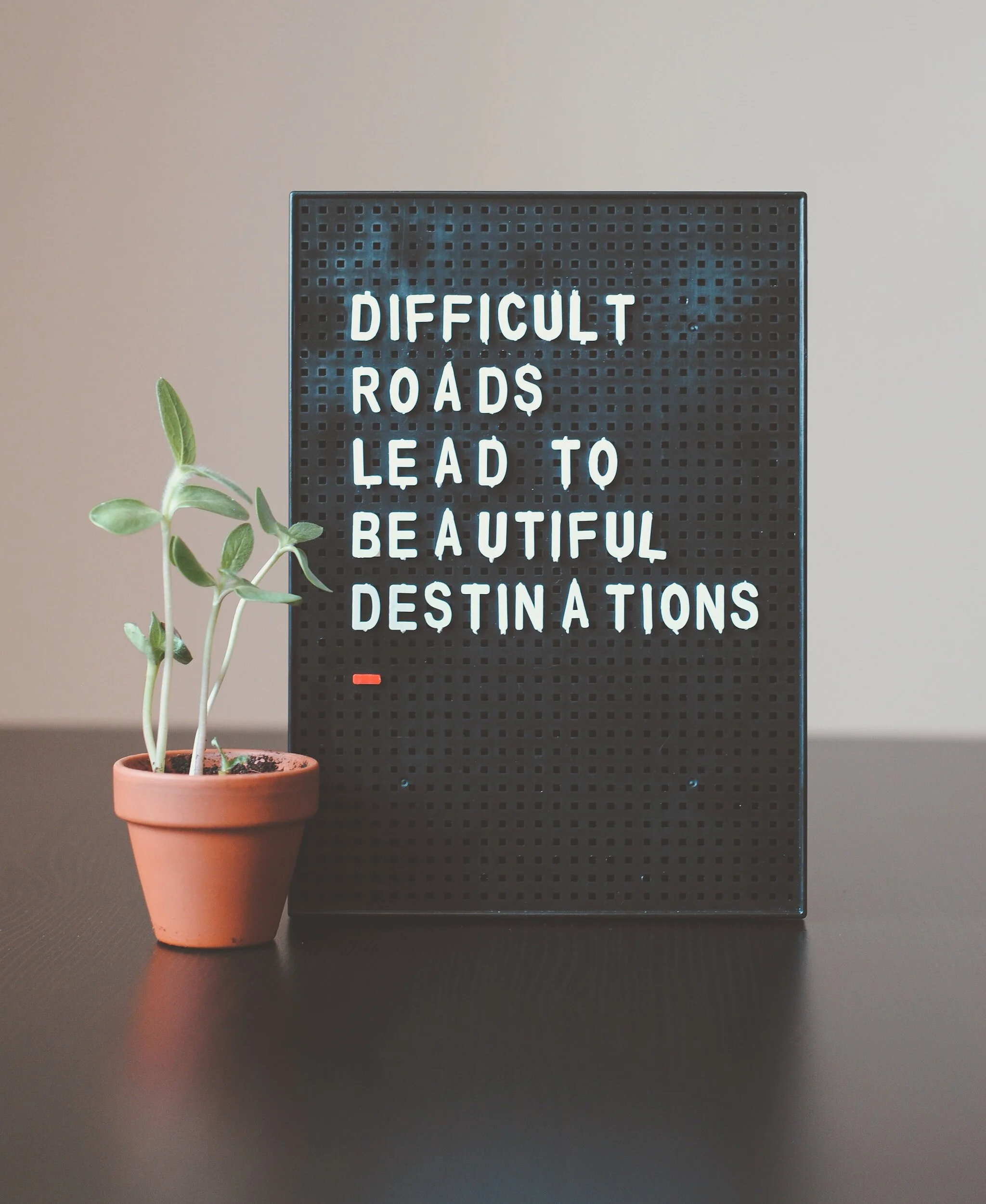
October 10th is World Mental Health Day. It's a day that prompts us to pause, reflect, and discuss an issue that impacts each one of us. Whether it's you, your loved one, colleague, or friend, mental health is a universal concern. But knowing how and where to find help can sometimes feel like solving a labyrinth. In this article, I describe the steps to seek mental health support and direct you to the right resources.
Understanding the Importance
First, let's address the magnitude. Why do we even have a World Mental Health Day? Because it recognizes the often invisible struggles people grapple with. Think about it: someone next to you might be fighting battles you're unaware of. And given the state of the world at this time, many people are grappling with the aftereffects of the COVID-19 pandemic, violent conflicts across the world and uncertain economic times. These silent battles can affect productivity, relationships, and, most importantly, the joy of living. While a lot of progress has been made regarding reducing the stigma related to mental health difficulties, for many people admitting that they are struggling with a certain issue can be quite challenging.
Asking for Mental Health Help: The Do's and Don'ts
DO: Label Your Emotions
Before you even reach out, understand that it's okay to feel the way you do. You are human! And being human comes with the capacity to have a myriad of emotions, which can be hard to identify at times. However, building awareness of our emotions is the first step toward making changes in how we live our lives. Brené Brown’s latest book “Atlas of the Heart” as well as her 5-part HBO series based on the book are great starting points.
DON'T: Let Stigma Hold You Back
Mental health issues are not a sign of weakness or a flaw in character. They are, like any physical ailment, a part of the human experience. Many of my clients often state “but so and so has dealt with similar things, and they are handling them much better than I am.” We are all shaped by our biology as well as life experiences and we each learn to cope with difficulties in a different way. It’s important to recognize if you are struggling with worsened anxiety or having difficulty managing life stressors and reach out for support regardless how anyone else in your life may deal with similar issues.
DO: Start Small
If you're unsure of opening up completely, that's okay. Start with a trusted friend or family member. Sharing even a bit can lighten the load. Sometimes just talking through some of our thoughts and emotions can bring us clarity on how we want to proceed in a given situation or help us to recognize that we may need further assistance with a given issue.
DON'T: Get Discouraged
Not everyone will understand or know how to respond. That doesn't reduce the importance of your experiences. While receiving potentially negative feedback from a friend or family member about a certain issue can be quite challenging, be sure to reach out to a neutral figure or someone who is trained in managing the issue at hand.
DO: Seek Professional Help
While friends and family are invaluable, there's a difference between leaning on loved ones and getting professional help. Professionals can provide guidance, coping mechanisms, and tools tailored to your needs. Professionals also offer an objective view of your situation and guide you in determining how to best resolve the issue at hand.
Finding the Right Mental Health Resources
When it comes to seeking professional help, there's no one-size-fits-all. Depending on where you are and what you're comfortable with, here are some resources:
1. Hotlines and Helplines
Available 24/7, these provide immediate support. If you feel at the edge, or just need someone to talk to, they are there. Remember, it's okay to call even if you feel your concern isn't "serious" enough.
The 988 Lifeline is a “national network of local crisis centers that provides free and confidential emotional support to people in suicidal crisis or emotional distress 24 hours a day, 7 days a week in the United States.”
Samaritans “works to prevent suicide and support those who have lost someone to suicide. Each year, 300+ volunteers answer more than 80,000 calls, texts, and chats on our Helpline.”
The Massachusetts Behavioral Health Help Line offers 24/7 support through call, text or chat where you will “talk with a trained staff member who will assist you in accessing the treatment or support that meets your individual needs. Connect with qualified professionals for mental health assessments, crisis services, substance use treatment, referrals and more, with options in your own community. Staff will remain on the line with you until you are connected to your next step. Every call, text, or chat conversation includes clinical follow up to ensure your needs are met.”
2. Mental Health Professionals
Therapists, psychologists, and psychiatrists all offer a space to unpack your emotions. If you're unsure of where to start, consider seeking out a general therapist for an initial consultation. Finding the right therapist can take a bit of effort, but research has shown that the rapport between the therapist and the client is often the main driver for change, so it’s important to meet with someone who you feel is a good fit for your needs.
3. Support Groups
Interacting with others who're experiencing the same feelings can be validating. It reminds you that you're not alone in this. There are a number of organizations who offer free support groups:
4. Online Resources and Apps
In today's digital age, there are numerous apps and online platforms that offer therapy sessions, meditative exercises, and mental health communities. The following are some of my go-to recommendations:
Self-Compassion Exercises by Kristin Neff
The Happiness Trap Course by Russ Harris
Yoga with Adriene on YouTube
5. Workplaces & Schools
Many institutions now recognize the importance of mental health and offer resources. Don't hesitate to inquire about support that may be available through your employer or school.
A World United in Support
So, let's not let World Mental Health Day be just a day on the calendar. Let it be a reminder of the strength in vulnerability, the power of community, and the resources available to all of us. Mental health struggles may be a part of our journey, but they don't define us. Together, as a united front, we can promote understanding, foster healing, and build a world where every individual feels heard and supported.
If you found these strategies helpful and need further assistance, feel free to reach out with any questions or to schedule a 20-min complimentary consultation.
Veselina Hristova Jones, LICSW, is a Boston-area therapist based in Wellesley, MA, who specializes in anxiety, depression, and relationship issues. She provides compassionate, evidence-based therapy to adults across Massachusetts through secure online sessions, as well as in-person therapy for clients in Wellesley, Newton, Weston, Needham, Natick, and Framingham.